Posts Tagged ‘Senior’

Senior Retirement Community – Simplified Glossary of Terms

Friday, May 14th, 2010

When it comes to considering the benefits of Senior Retirement Community living, we find two parties most likely to do the necessary research: the potential senior residents themselves and the key family members of those seniors. Many times, the oldest daughter becomes a significant researcher/decision-maker.

The first step in this important research is simply understanding the terms/definitions used by the providers of senior retirement communities. So here is a very basic list of those terms and definitions:

AAHSA (American Association of Homes and Services for the Aging): A national association of not-for-profit senior care organizations devoted to senior issues advocacy and member education. Headquartered in Washington DC. (See: www.aahsa.org)

ADLs (Activities of Daily Living): Bathing, eating, grooming, dressing, toileting, and other usual day-to-dat activities.

Administrator: Licensed director of a clinical health care facility or organization.

Adult Day Care: Structured programs including social activity and interaction with health related programs, services and therapy for seniors, generally for up to 8 hours per day.

Alzheimers: A progressive, neurodegenerative disease characterized by loss of function and resulting in death. Universal syptoms include memory loss and confusion.

Ambulatory: Ability to walk freely and without assistance.

Assessment: May include physical, cognitive and emotional evaluations performed by a qualified health care professional.

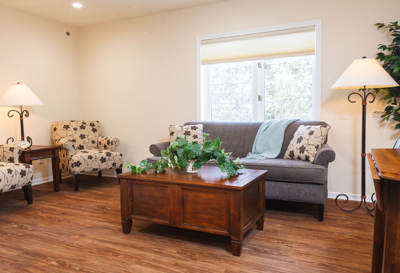
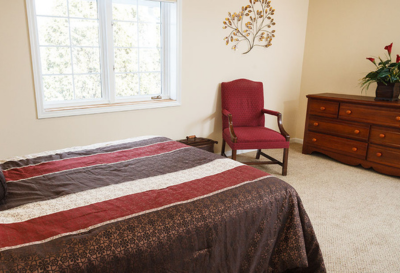
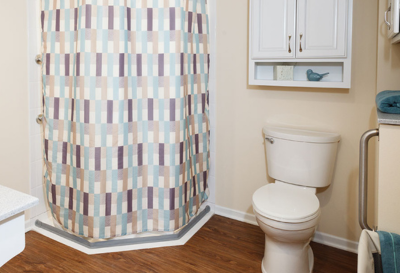
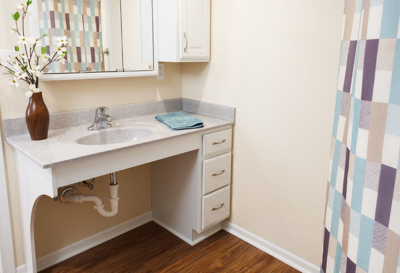
Assisted Living: Housing and supportive services, generally provided in an apartment setting.

Caregiver: The primary person in charge of providing care.

CBRF (Community Based Retirement Facility): A senior care facilty providing supervision and supportive services to people unable to live independently but do not require nursing home services. They allow five or more unrelated adults to reside in a CBRF and individuals may receive up to 3 hours of nursing services per week.

CCRCs (Continuing Care Retirement Communities): A ‘full service’ retirement community providing a wide variety of services and levels of care including: Independent Housing, Assisted Living and skilled nursing services.

CCRC’s without Walls: An array of health care services for seniors provided in the private homes of seniors.

Congregate Housing: Generally senior apartments with the availability of activities and meals focusing on social interaction.

Dementia: The loss of intellectual functions (memory, thinking and reasoning) stemming from a variety of neurological diseases or conditions.

DME (Durable Medical Equipment): Assistive equipment such as wheelchairs, walkers, ‘hospital’ beds, lift chairs, etc.

Geriatric Case Management: Professional assistance from a trained advocate assisting a senior in a variety of areas.

HCBS (Home and Community Based Services): Senior services provided in private homes of seniors and for the wider community.

HIPAA: The ‘Health Insurance Portability and Accountability Act’ of 1996. Amoung other things, assures privacy of health information.

Home Health: Can be either ‘medical’ and/or ‘non-medical’ care services for individuals in their private homes.

Hospice: End-of-life medical care services with specific protocols to comfort the dying and their families. Service costs are generally covered by Medicare in the final 6 months of life. Hospice can take place in private homes and/or in institutions.

Independent Living: Residential living for seniors that promotes activities, wellness, and social interaction. No or limited health care services are provided.

Medicaid: Public assistance programs giving funds to medical providers assuring health care for people of limited or no financial means.

Medicare: A federal health insurance program, generally for those 65 and older and those with disabilities, providing physician services, therapies, home health care and hospice care.

Not-for-Profit (or Non-profit): Organizations created to provide services and charitable assistance. Generally church affiliated, not-for-profits have no individual owners or investors and depend on support of donors and sponsors.

Palliative Care: Focus is on providing medical ‘comfort’ care and assistance to those with chronic disease.

Skilled Nursing Care: 24 hours of skilled nursing care for more medically acute patients.

Skilled Nursing Facility (SNF): Nursing home care providing 24 hours of skilled nursing care, activities, meals, therapies and multi-level services.
RCAC (Residential Care Apartment Complex): An RCAC has at least 5 apartments and may provide up to 28 hours per week of services such as housekeeping, personal assistance, dining, nutrition and medication management. 24-hour emergency services are also available. Each apartment has a lockable entrance.
Rehabilitation: Therapeutic care for persons requiring intensive physical, occupational or speech therapy.

Respite: Overnight stays providing people with temporary services.

Senior Apartment: Age restricted multi-unit housing for those 62 years and older who are able to care for themselves.

Senior Center: A place organized to provide activities, education, meals and social interaction for seniors, generally located in villages, towns and cities.

Support Groups: A facilitated gathering of caregivers, family, friends or others affected by a common condition or disease for the purpose of futher education and emotional support.

WAHSA (Wisconsin Association of Homes and Services for the Aging): An association of not-for-profit senior care and retirement organizations located in Wisconsid design to provide education and advocacy for both seniors and membe providers. Headquatered in Madison, Wisconsin (See www.wahsa.org).

Introducing CEDAR CONNECTIONS – First Issue!

Thursday, October 22nd, 2009

Welcome to the Cedar Community blog or otherwise known as the “Cedar Connection!” This blog is generally written by Cedar Community CEO – Steve Jaberg, though periodically ‘guest bloggers’ from the leadership of Cedar Community and others will be invited to share their insights on a variety of senior retirement and healthcare topics. Steve Jaberg has been with Cedar Community for 25 years and has been CEO for the last 19 years. He serves on the WAHSA (Wisconsin Association of Homes and Services for the Aging) Board of Directors and the AAHSA (American Association of Homes and Services for the Aging) Board of Directors.

(Please note that the views and opinions of the Cedar Connection represent those of Steve Jaberg and are not necessarily those of the Cedar Community Boards of Directors or other Cedar Community Administrative Council members.)

The focus on this very first Cedar Connection blog is to introduce Cedar Community and state its’ goals and to provide a sense of the general direction of future Cedar Connection blogs. The goal of CEDAR CONNECTION is to provide current and timely news and insights into a wide variety of topics and issues affecting the lives and lifestyles of seniors. At the Cedar Community we consider ‘seniors’ as those aged 62 and better!

A little bit of background into Cedar Community . . . as one surfs the Cedar Community website you’ll note that Cedar Community is a not-for-profit, church affiliated (United Church of Christ) charitable 501 (c) 3 organization dedicated to providing healthcare and retirement living for seniors.

With humble beginnings in 1953 as a donation of a 98 acre farm to a local church, Cedar Community has grown in its 56 year history to having five campus settings with nearly 1,100 residents. Ranked in the Top 100 (AAHSA / ZIEGLER) Senior Communities in the nation. While Cedar Community has grown, simple ‘growth’ was not a major goal. The goal promulgated by its’ Boards of Directors is to adhere to its mission. That mission is clearly stated in one sentence . . . “Cedar Community will serve the Lord by creating relationships, services and environments that enhance the well-being of seniors and their families.”

Topics of future Cedar Connection blogs will be vast and varied. Blog readers are encouraged to write-in and share comments, questions or suggest blog topics.

Please check-back often to the www.cedarcommunity.org website and ‘click’ on BLOG for spirited blog discussions.