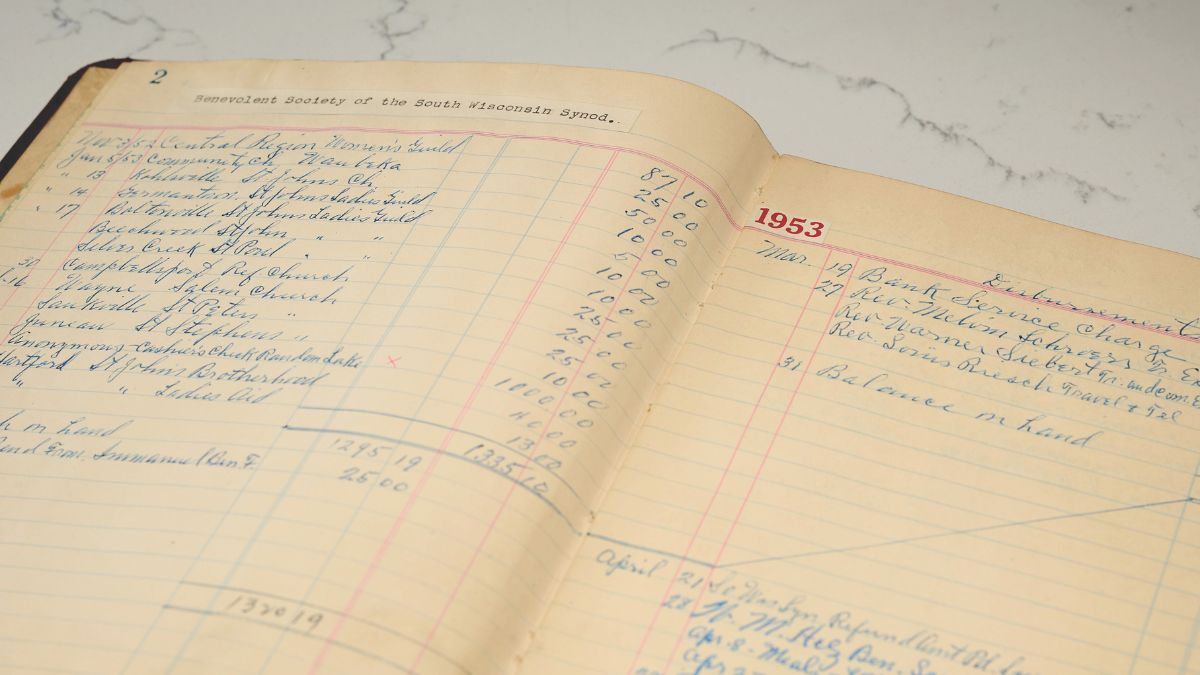
Cedar Community began in 1953 with a gift of land and a vision for serving others.
More than 70 years later, that foundation continues to shape how Cedar Community operates as a faith-based, nonprofit senior living organization. Rather than answering to investors, Cedar is governed by a volunteer board and reinvests resources into the community, its services, and the people who call it home.
For residents and families considering senior living, that distinction can influence everything from long-term stability and future care to the values they want reflected in the community they choose.
What Does Nonprofit Senior Living Mean?
Cedar Community’s official name, Benevolent Corporation Cedar Community, reflects the organization’s charitable purpose.
As a nonprofit senior living community, revenue is reinvested into Cedar Community rather than distributed to owners or investors. Those resources help support services, environments, programs, and the organization’s broader mission.
A volunteer board of directors provides governance with a focus on the needs of residents and the long-term health of the community.
That structure was an important factor for several Cedar Community residents when they were deciding where to live.
A Mission Rooted in Service
Cedar Community traces its beginnings to a donation of land to the United Church of Christ in 1953.
That gift established the foundation for Cedar’s faith-based mission and person-centered approach to serving residents and families.
Today, Cedar Community’s mission continues through its commitment to compassion, dignity, service, and creating opportunities for residents to live with purpose.
Faith-based does not simply describe Cedar Community’s history. For some residents, the organization’s values and expectations for how people treat one another are part of what makes the community feel different.
Supporting Residents When Resources Run Short
Cedar Community’s nonprofit mission also extends to residents who may eventually exhaust their financial resources.
Through the Partners In Caring™ charitable fund, Cedar Community helps ensure that skilled nursing and long-term care residents can continue receiving care when they need it most.
For residents who rely on Medicaid, reimbursement does not fully cover the cost of providing care. As reported in 2024, Cedar Community absorbed more than $105 per resident, per day in unreimbursed costs and contributed more than $3 million annually to support residents who could no longer fully afford their care.
Why Ken McIlvried Chose Cedar Community
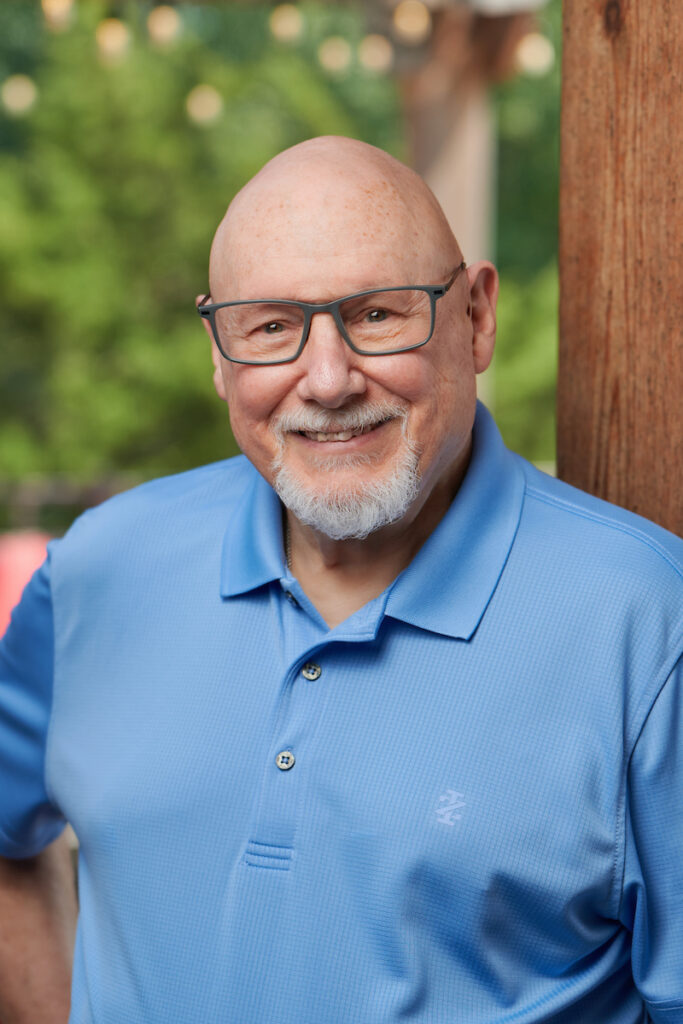
Ken McIlvried spent 55 years in Pennsylvania before home and lawn maintenance began to feel more challenging
He started exploring retirement communities near his daughter in Illinois and his son in Wisconsin. His son-in-law suggested Cedar Community after visiting the website.
“My son-in-law checked out the website and thought it might be a place he would like to retire someday,” Ken recalls.
As Ken compared communities, Cedar Community stood out for its natural setting, cost of living, and faith-based values.
“What struck me most was the organization’s mission and the handbook emphasizing the expectations of mutual respect among residents.”
Although Ken missed his Pennsylvania neighbors, he felt comfortable with his decision to move.
“It’s a supportive environment where people are very neighborly and welcoming,” he says.
Planning Ahead for Future Care
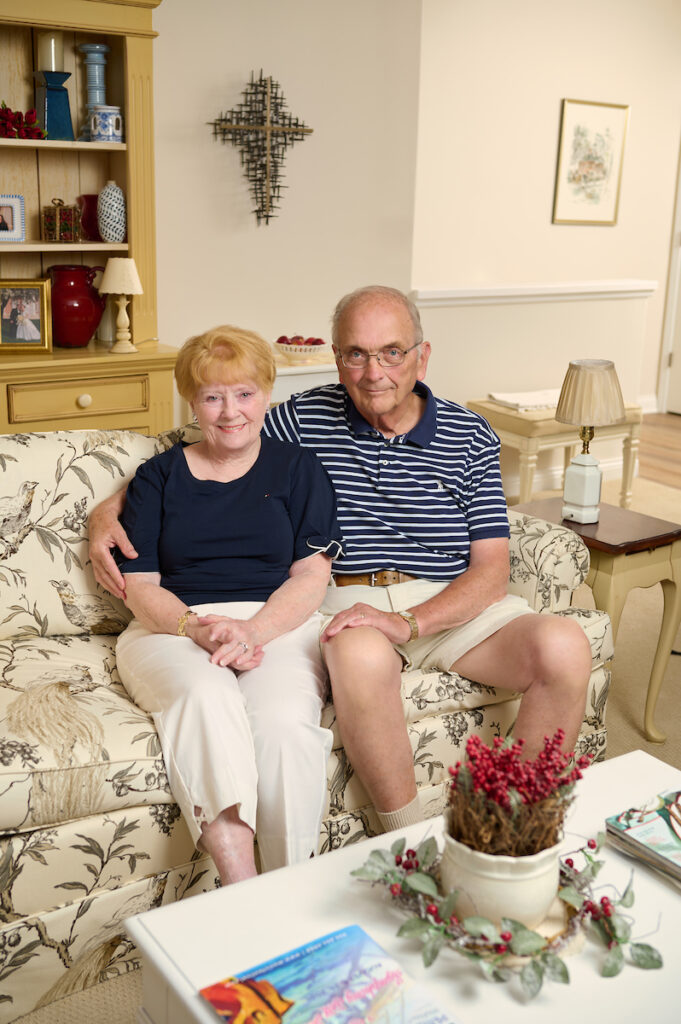
For Jack and Barbara Zilavy, one of the most important considerations was knowing that additional care would be available if their needs changed.
The couple first noticed Cedar Community while visiting their son in West Bend. When they later began researching retirement communities, they remembered Cedar and included it in their search.
Jack had worked for three major nonprofit health systems during his career, so the structure and values of the organization mattered to him.
“I was very impressed by what Cedar Community offers as well as the long-standing history,” Jack says.
A faith-based organization founded on ethics, integrity, and transparency was important to the couple.
“A nonprofit model where the bottom line of the organization, the revenue exceeding the expenses, doesn’t inure to the benefit of the investors or one person, but is reinvested into the community was important to us,” Jack says.
The ability to access additional levels of care in the future also gave Jack and Barbara greater peace of mind for themselves and their four children.
Stability That Matters Over Time
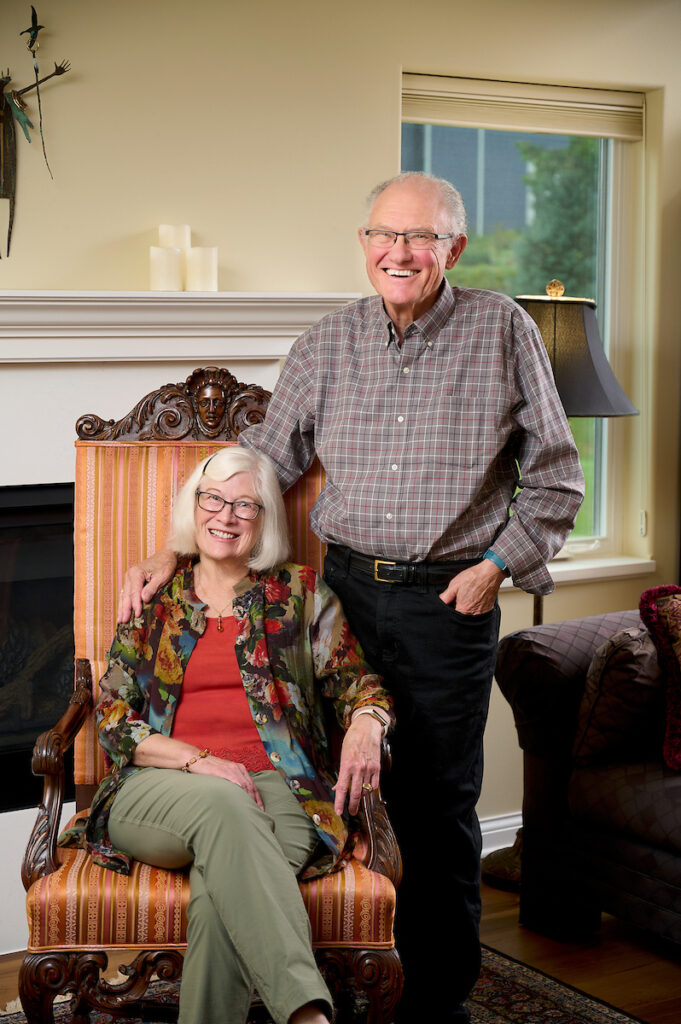
Bill and Judy Neill were also thinking ahead when they began considering their next move.
Bill’s parents had moved into a retirement community in their mid-60s to ensure his mother would have support if something happened to his father. His father passed away shortly afterward, and Bill saw firsthand how having different levels of care available helped his mother continue living comfortably into her 90s.
After 51 years in their Ripon home, Bill and Judy began considering Cedar Community. Three couples they knew from Ripon had already moved there.
“Our friends just love it here and strongly encouraged us to join them,” Judy says.
Cedar Community’s nonprofit mission became another major reason they chose the community.
“With a nonprofit, it’s more than just making money,” Judy says. “It’s the transparency and accountability of the organization.”
They also valued the stability that comes with a long-standing mission.
“We felt Cedar Community has a lot of stability,” Judy says.
Bill adds, “Leadership that is going to stay to the mission is valuable because oftentimes in for-profit organizations when leadership changes so do the values.”
For the Neills, three factors ultimately stood out:
- Cedar Community’s nonprofit structure
- The natural setting just outside their front door
- Access to different levels of care if their needs change
Helping Families Understand Their Options

The nonprofit difference can matter to family members exploring senior living for someone they love, too.
Christian Tschescholok, executive director of Economic Development Washington County, toured Cedar Community with a colleague while both were researching options for their fathers.
Before bringing their fathers for a visit, they wanted to better understand senior living and what they should be considering.
Christian says Cedar Community Sales Director Abby Jonasson took time to learn about their fathers, explain the different campus experiences, walk through pricing, and answer their questions.
The visit also helped them understand the characteristics they felt made Cedar Community distinctive.
“We came to appreciate just how unique Cedar Community is—a nonprofit, full continuum of care as needs evolve, priority of movement within that continuum for residents, and willingness to accept government pay should that need arise way down the road.”
Christian also pointed to Cedar Community’s foundation, programming, outdoor spaces, campus maintenance, and evolving services as areas that stood out during the visit.
He left feeling better prepared to discuss senior living with his family.
“They have done their homework, and my family agrees Cedar Community is unique in its offerings and is cost competitive.”
Choosing a Community Based on More Than a Floor Plan
A senior living decision involves practical questions about residences, costs, amenities, services, and future care.
But for many people, it also involves asking what kind of organization they want to trust with the next chapter of their lives.
For Ken, it was Cedar Community’s mission and culture of mutual respect.
For Jack and Barbara, it was the nonprofit model and confidence that future care would be available.
For Bill and Judy, it was stability, reinvestment, nature, and access to multiple levels of care.
And for Christian’s family, understanding Cedar Community’s nonprofit structure and continuum of care helped make a complicated decision easier to evaluate.
Those perspectives help explain what Cedar Community’s faith-based, nonprofit mission looks like beyond a statement on a page. It is reflected in how the organization operates, how resources are used, and why some residents and families ultimately decide Cedar is where they want to be. Originally published in the Autumn 2024 issue of Live More magazine.